How to Publish a Children’s Novel in America: Costs, ISBNs, Printing, and Distribution
Learn how to publish a children’s novel in America with this step-by-step guide covering publishing costs, ISBN registration, book printing, distribution options, and tips for getting your book into readers’ hands.
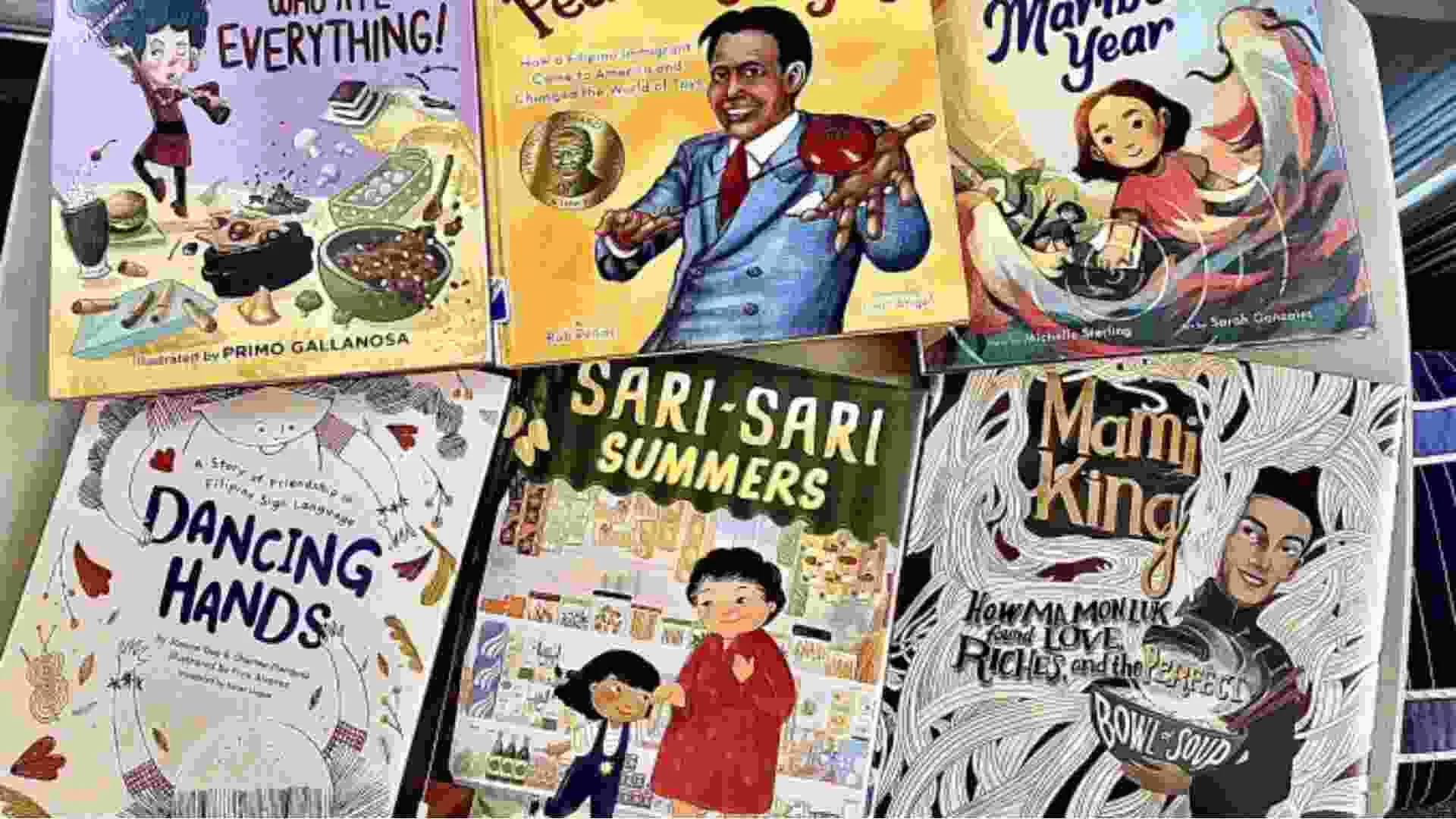
Of course, we all know nobody gets a book onto shelves by accident!
So you want to know how to publish children’s books? Fantastic! You're on a to-do list, not a mystery. All the information you’re looking for is right here. This walks through the Children’s Novel in America process, step-by-step, the way I would with a friend over coffee. It works for children’s novel series, piles of children’s fantasy novels, and children’s graphic novels.
So how to publish children’s books?
Decide Who You’re Writing For (Really)
“Kids” is not an audience. A 7-year-old and a 12-year-old are very different audiences.
Chapter books (ages 5-8): short, simple, lots of white space
Middle Grade (ages 8-12): where most children’s novels lie
Young Adult (ages 12-18): heavier, more serious topics
Most importantly, age-related organization is how libraries and bookstores shelve. If your novel doesn’t appear to belong with the others, it’s really hard to get noticed.
To help, get three recently published books in your category, and analyze the chapter length, narration, and how they end. If your novel looks different from the others, then that is your opportunity to adjust.
Which Headache Do You Want? Agent or Self-Publishing?
It’s the same with both traditional publishing and self-publishing.
Traditional publishing: Long process, lots of rejection, but if an agent and publisher like it, they take care of the rest (editing, publishing, marketing, and distributing).
Self-publishing: You control everything. The catch? You also do everything and you pay for it.
My two cents? If there is a well-known person, place, or thing you think can get you an agent, or you think a publisher is a good fit (because you see books like your own published by them), traditional publishing is a good way to go. If not, self-publishing is probably your best option.
Before you publish:
Read it aloud. You're more likely to catch the clumsy sentences this way.
Hand it to a few kids in your target age group.
Hire a professional editor if you can. This is the only spot where I would say not to cheap out.
Do one last proofread after the edits to catch anything the editor or you might have missed.
Doing a graphic novel? You're also going to need an illustrator, a colorist, and a letterer as well. Get a contract before you start work.
What Will This Cost You?
It varies and depends on the project. A simple black-and-white kids' book is way different than a full-color picture book. Here are the areas your costs are probably going to fall.
Here's where money tends to go:
Editing: often the biggest cost for a text-only novel
Cover: kids' books get judged by it, so treat it like a sales tool
Interior layout: the difference between "professional" and "homemade"
Illustration: small for a few drawings, big for full-color pages
ISBNs: small, but unavoidable
Printing: depends on size, page count, and color
Marketing: easy to forget, expensive to skip
One thing to remember: full color costs way more than black and white. Also keep in mind if you're doing kids' graphic novels in full color, you're probably going to need a bigger budget from the get go. And get more than one quote before you hire or print anything.
ISBNs, Plain and Simple
An ISBN is a number that tells bookstores that one specific edition of a book is different from any others.
Stores and libraries use it to identify your title in their systems.
In the U.S., ISBNs are sold through Bowker.
A different ISBN is required for each format (paperback, hardcover, and ebook).
Some free ISBNs through platforms list the platform as the publisher.
By purchasing your own, you are the publisher of record.
Planning a series? Each book in the series requires a new ISBN. Every format (paperback, hardcover, and ebook) of each book requires a new number.
And copyright? Your work is automatically protected. Registering through the U.S. Copyright Office is not a requirement, but it gives stronger protection in court if you are copyright infringed.
Printing: Small Start or Big Batch?
Print-on-demand: A good choice for your first book. People don’t have to worry about storing and shipping boxes. This option is more expensive per copy, but there are no initial costs or risks.
Offset Printing: Usually requires a high up-front cost, but the cost per unit is lower. This method is a better choice if you have prior knowledge that your book will be sold and purchased.
You should always purchase a proof copy, first. This is a much better option to finding mistakes, compared to finding mistakes after thousands of copies have been printed.
Getting It in Front of People
A book in a box isn’t published. It’s just a book in a box.
Online Retailers: The easiest way to get your title distributed is to sell through online.
Wide Distribution services: These companies help titles be ordered by bookstores and libraries.
Local bookstores: Many enjoy supporting local authors, so just ask!
Schools and libraries: These have huge audiences and often use professional reviews first.
Your own channels: website, author events, book fairs
Look for opportunities to build libraries’ confidence in your books using reviews from trusted children’s book sources.
Remember Who Pays?
Kids read it. Adults buy it. Parents, grandparents, and teachers decide what kids read.
So reach out to these important readers:
Build a simple author website
Write a classroom guide, including discussion questions
Offer school visits and/or SKYPE visits
Provide extra materials like a sneak peek, character sketches, and maps
Ask for early reviews and/or endorsements
If writing fantasy, you could commission a cover of a map of your world.
What are Mistakes Worth Dodging?
Be sure to do a real edit.
Have the cover match the audience.
Don’t release book 2 if you haven’t published book 1.
Not expecting to sell book 1 in the first week.
How long should a children’s novel be?
This depends on the age of the readers. Check how long recent books in your category are.
Skipping a real edit
A cover that doesn't match the age group
No proof copy
Planning book two after book one is already out
Expecting a bestseller in week one
Wrapping Up
Publishing a children’s novel is mostly patience and a good checklist. Know your reader, polish the story, sort your ISBNs, and pick printing and distribution that fit your life. Take it one step at a time.